

How to Attract Birds to Your Feeder
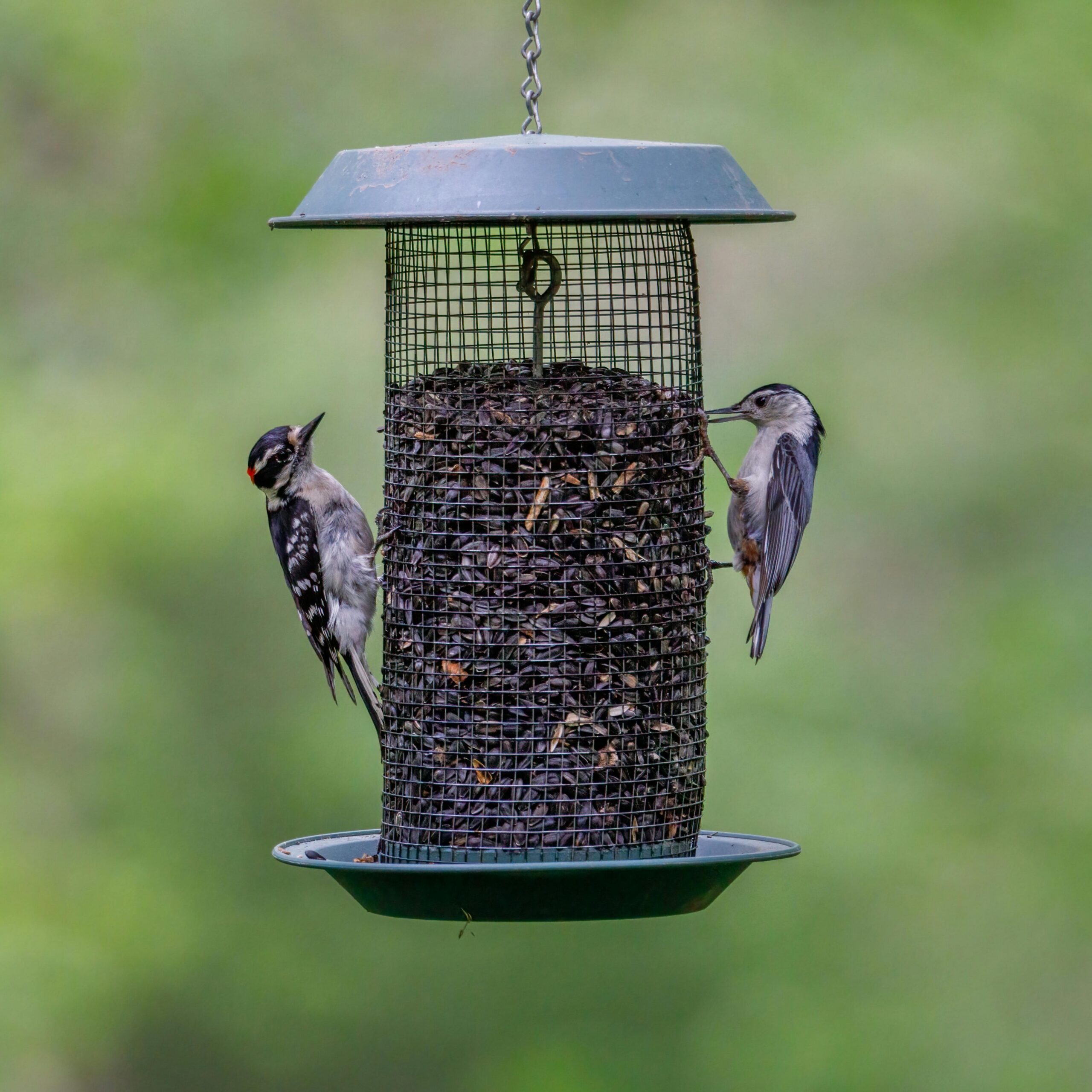
If your bird feeder in your garden is feeling a bit too quiet, you’re not alone. Many UK bird lovers pop one up and then wait and wait, wondering why no feathered friends have stopped by. However, with a few simple changes, your bird feeder will be in high demand and the results will be so rewarding. Choose the Right Food Different birds prefer different snacks, so offering a mix is key. Sunflower hearts, fat balls, nyjer seed, and good-quality seed mixes are all reliable crowd-pleasers. During
How To Clean Your Bird Feeder
If you enjoy watching birds visit your garden, you’re definitely not alone. Bird feeders are a brilliant way to support local wildlife and bring a bit of life and colour to your outdoor space. But one thing many of us forget is that feeders need regular cleaning. A dirty feeder can spread disease between birds and turn what should be a helpful feeding spot into something harmful. The good news is that learning how to clean your bird feeder is quick and simple once you get
Are Birds Cold-Blooded or Warm-Blooded
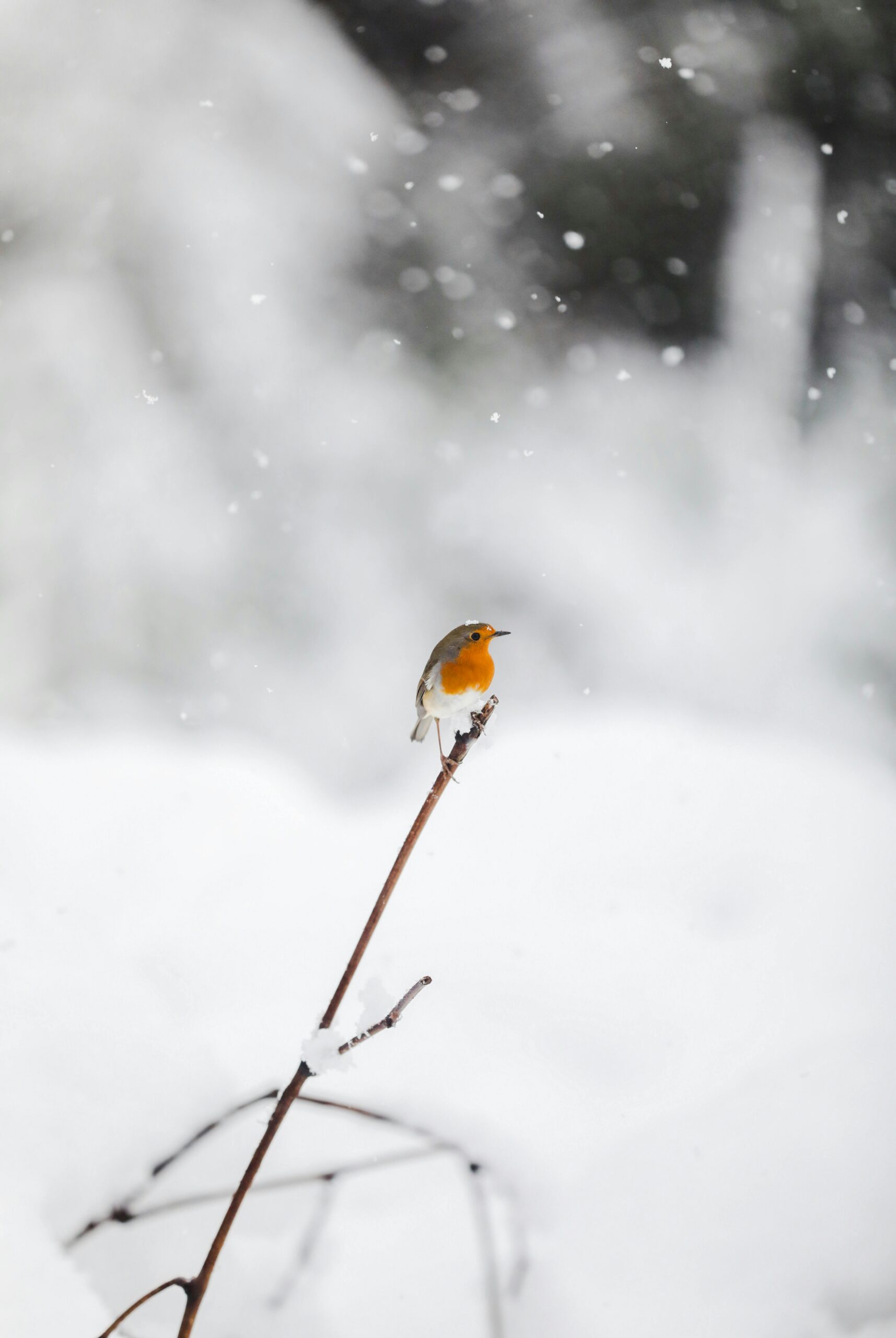
Have you ever watched garden robins hopping about cheerfully on a frosty morning and wondered how on earth do birds cope with the cold?The answer lies in the way their bodies are able to regulate temperature; birds are warm-blooded, not cold-blooded. Birds Are Warm-Blooded All birds are warm-blooded and this means they maintain a stable internal body temperature which is usually around 40-42°C, which is actually warmer than most mammals. Rather than relying on the environment to heat them up, they generate their own heat through metabolism.
Winter Garden Birds in the UK
Winter transforms UK gardens into vital refuges for birds seeking food, shelter, and water. With natural food sources dwindling, your garden becomes a lifeline and offers endless opportunities to enjoy beautiful seasonal visitors. This blog highlights the most common winter garden birds in the UK, how to identify them, and practical tips to help them thrive during the colder months. Common Winter Garden Birds in the UK Robin The robin is perhaps the UK’s most beloved winter bird, known for its bold red breast. Favourite foods: Mealworms Suet pellets Soft
Feeding Birds In Winter
As winter settles in, our gardens can become lifelines for hungry birds. Natural food sources like insects, berries, and seeds grow scarce, so a well-stocked bird feeder can make a huge difference - both for the birds and for those who enjoy watching them. Feeding garden birds in winter is vital as the temperature drops. Why Feed Birds in Winter? During cold spells, small birds like robins, blue tits, and finches burn extra energy just to stay warm. Providing high-energy foods helps them survive frosty nights and
How to Stop Bird Water Freezing in Winter
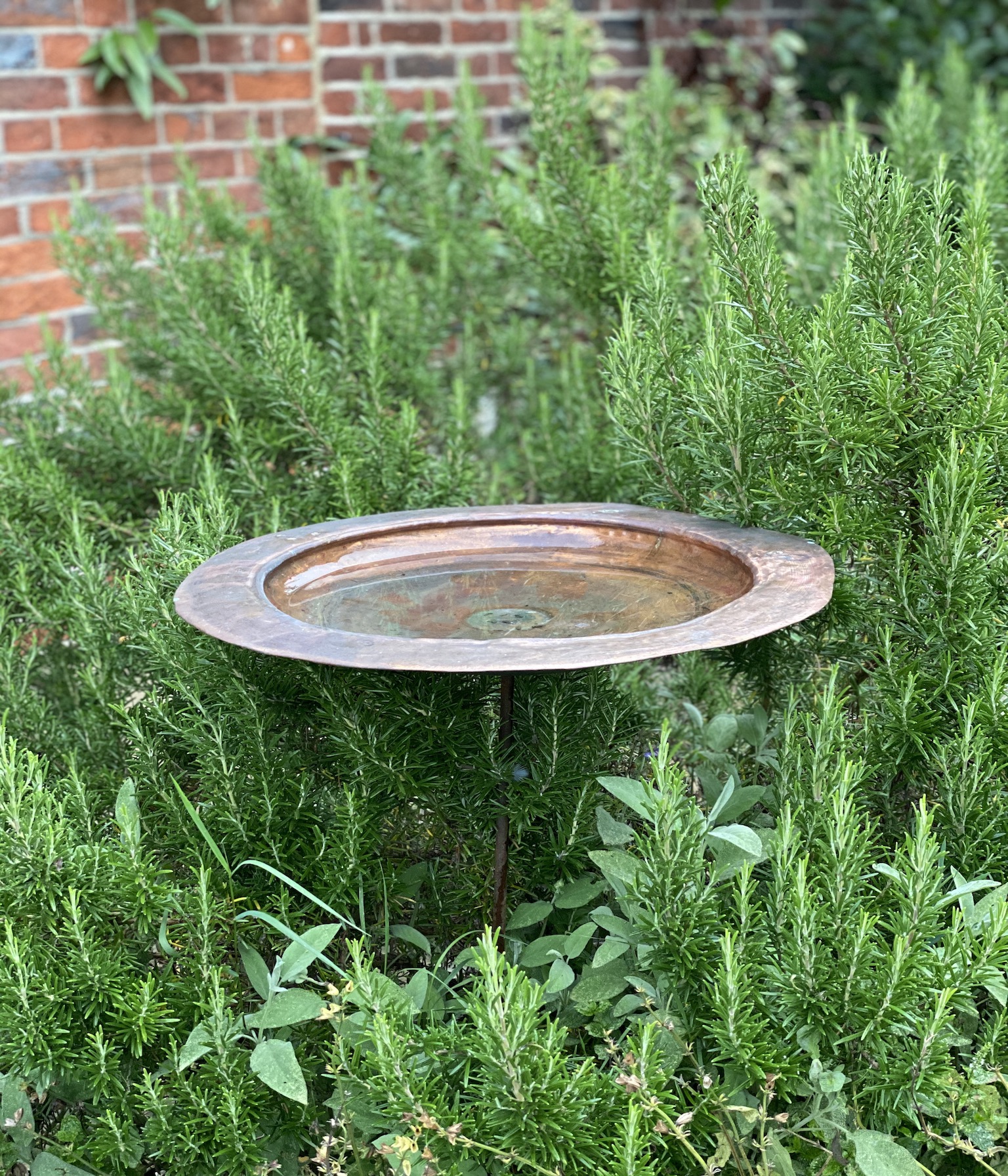
When frost settles over the garden and puddles turn to ice, birds still need access to fresh water for drinking and bathing. Unfortunately, bird baths often freeze solid just when our feathered friends need them most. Luckily, there are a few simple things you can do to stop your bird bath water freezing in winter. Choose the Right Spot Where you place your bird bath makes a big difference. Try to position it in a sunny spot that catches the morning light as this helps thaw any
What Are Sunflower Hearts, and Why Are They So Expensive?
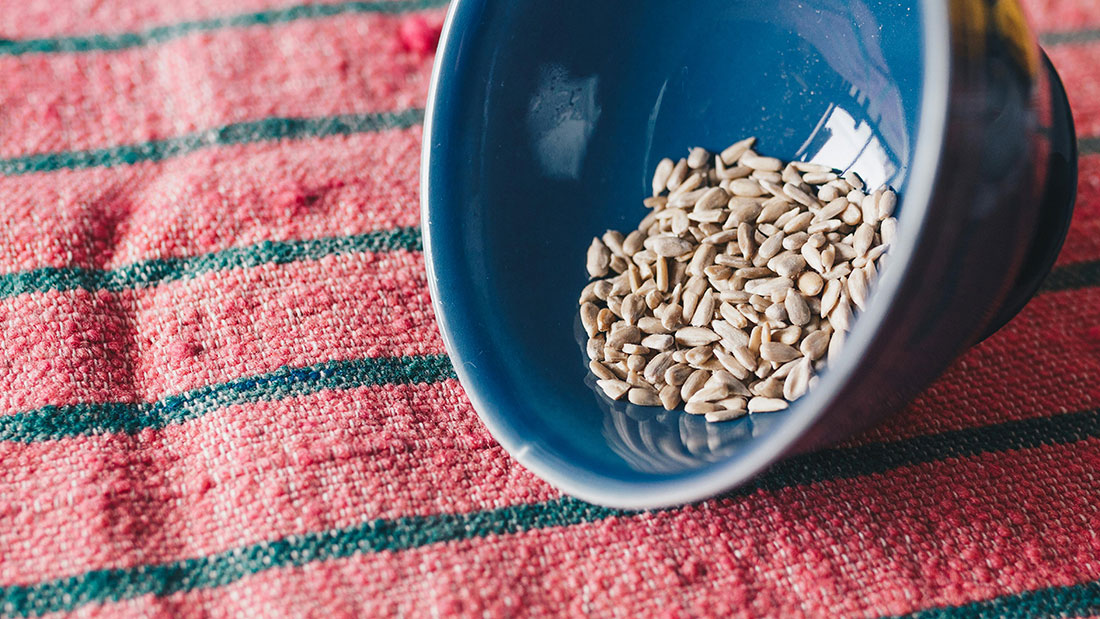
Sunflower hearts are simply sunflower seeds with their shells removed. By mechanically removing the typical black husk from the seeds, birds use less energy when feeding. Birds would also usually discard the husk from the sunflower seed leaving waste behind and a messy garden, but, being husk free, sunflower hearts means there is no waste to clean up. However, due to this tedious process, sunflower hearts are more expensive than the standard seed version. The idea of sunflower hearts was introduced in the early 1990s and revolutionised bird
How Bird Baths Help Autumn Birds
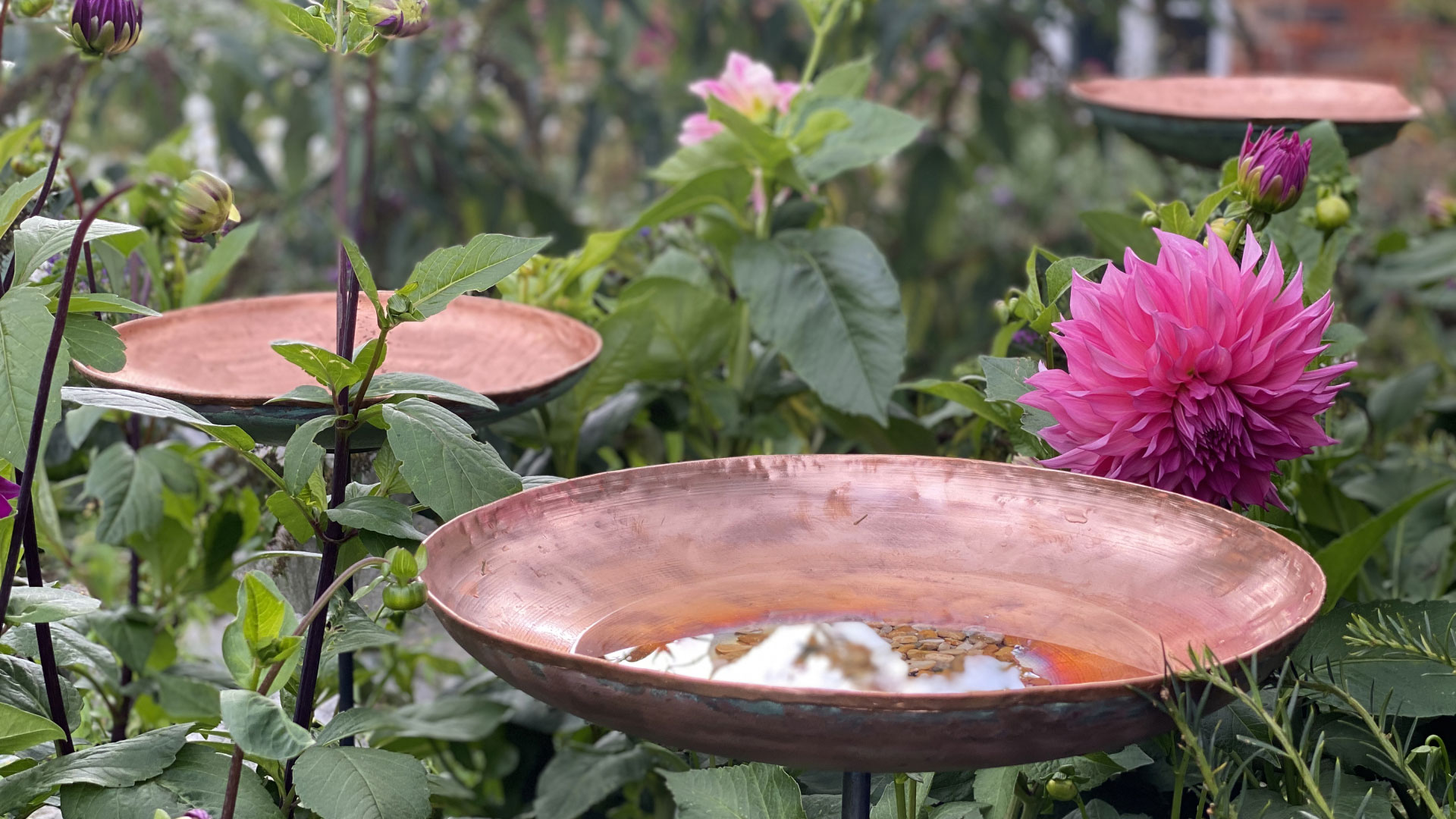
Bird baths are a beautiful and vital way to help birds in autumn as the crisp air of October settles in and the leaves begin to fall, birdwatching in your garden transforms into a whole new experience. Autumn is a critical time for birds, filled with migratory movements, preparation for winter, and their seasonal activities. As the weather cools and food sources become more scarce, providing a welcoming and supportive environment for birds is a great way to help autumn birds and also an opportunity
How to Attract Garden Birds in September
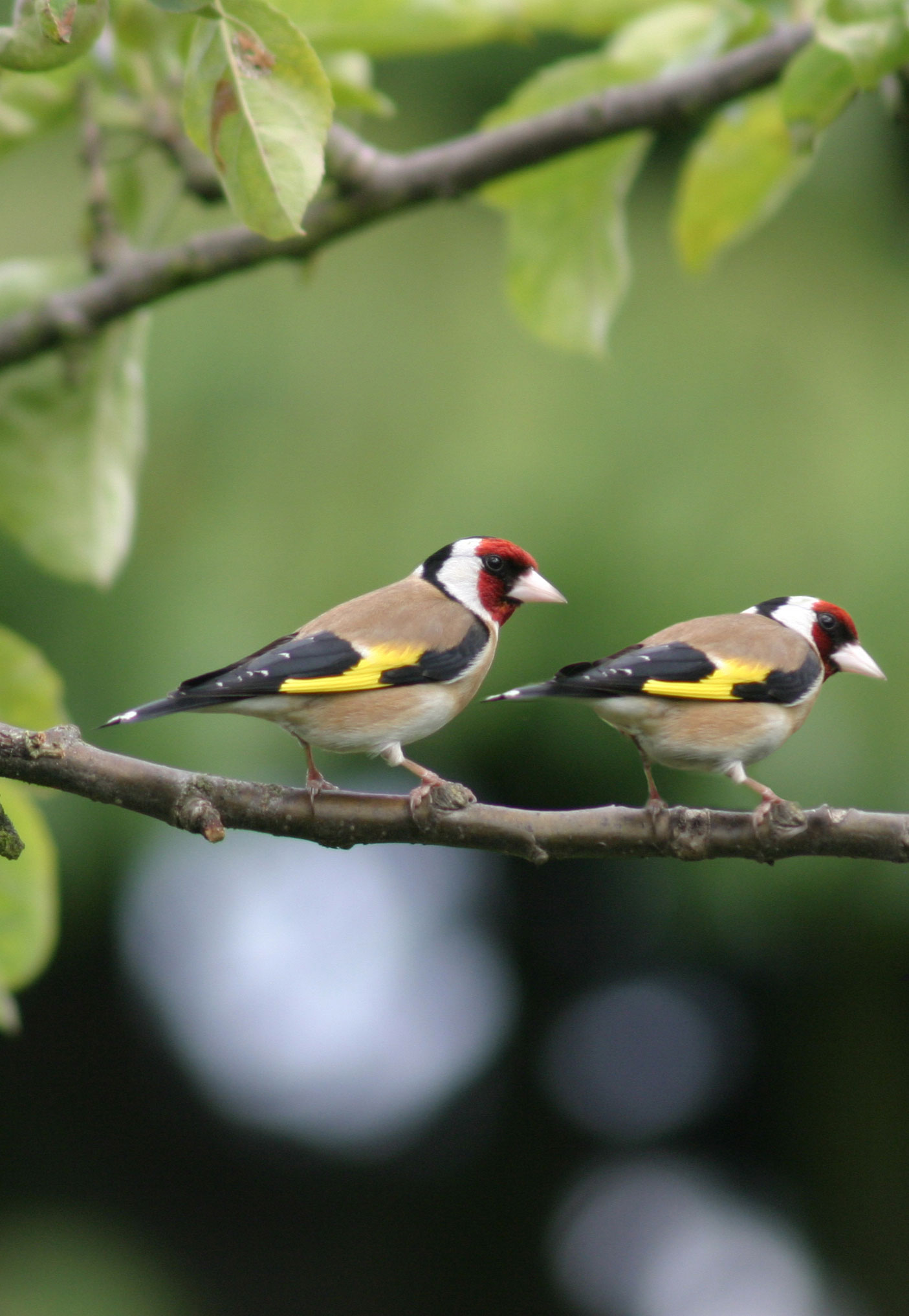
As the first hints of autumn arrive, September is a perfect time to enjoy the changing seasons and attract an array of garden birds to your garden. With many species preparing for migration and others getting ready for the chillier months ahead, providing food, water, and shelter becomes even more important. It’s also the ideal time to prepare your garden for birdwatching and to learn more about your feathered visitors to be able to continue to attract a variety of garden birds this September. 🌿 Top
Why Do Garden Birds Disappear in August?
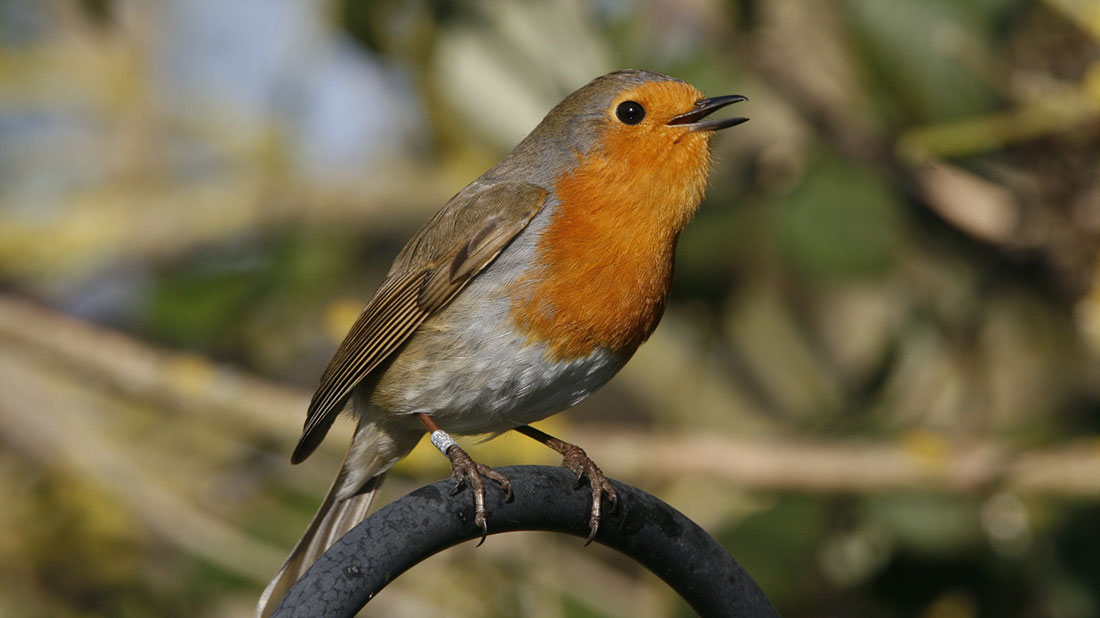
August in England often feels like the calm before the storm - long days in the summer heat and gardens are full of abundant greenery. But, birdwatchers may be left wondering why their garden birds disappear in August due to fewer birds being seen, and a lack of the usual chorus of songbirds. So, where do all the birds go in August? While it might seem like garden birds are disappearing, the truth is, they’re still around, they’re just behaving a bit differently. August is a unique
Which Winter Birds Love Our UK Gardens?
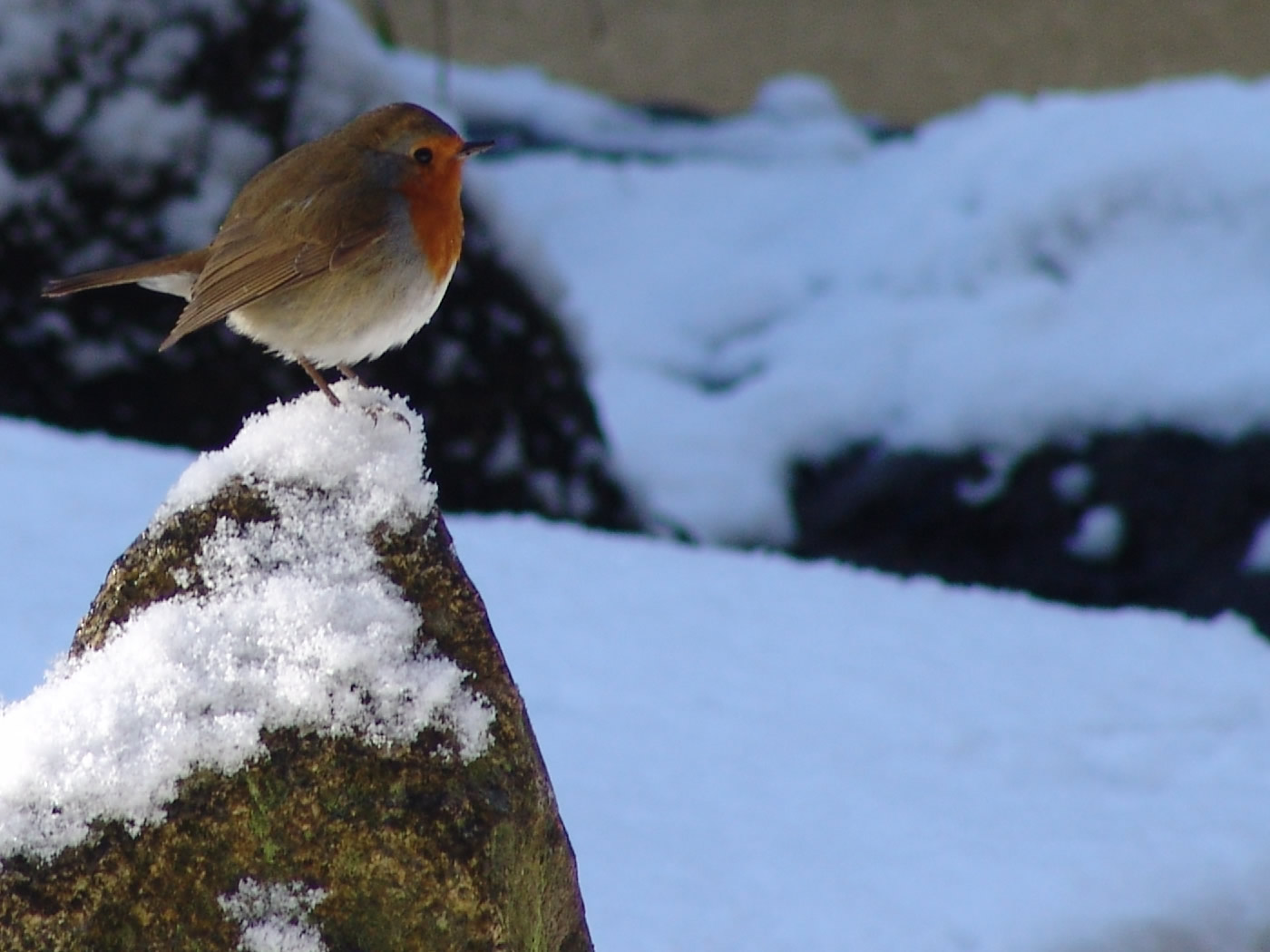
HAS YOUR GARDEN GONE QUIET? You may be thinking that there is little left in your garden now but falling leaves, driving rain and blustery wind. That all your beautiful garden birds have left the UK and migrated south for better weather and warmer climes. But all is not lost - happily most of our feathered garden friends are actually winter garden birds too. Resident all-year-round, you just might need to encourage them to show themselves. There’s certainly less birdsong filling our gardens in the winter months.

Feeding Garden Birds – How To Get Started!
It’s a real treat to see wild garden birds eating nuts, grains and seeds that you have provided for them especially in the colder months when you know that you are also helping them to survive the winter. Feeding birds doesn't just make them full and happy it is also surprisingly mindful and makes us feel good too. Our ELIZABETH Bird Feeder Tree is positioned literally outside our kitchen window and above this is our bathroom so in the morning, if I open the blind slowly