Are Birds Cold-Blooded or Warm-Blooded
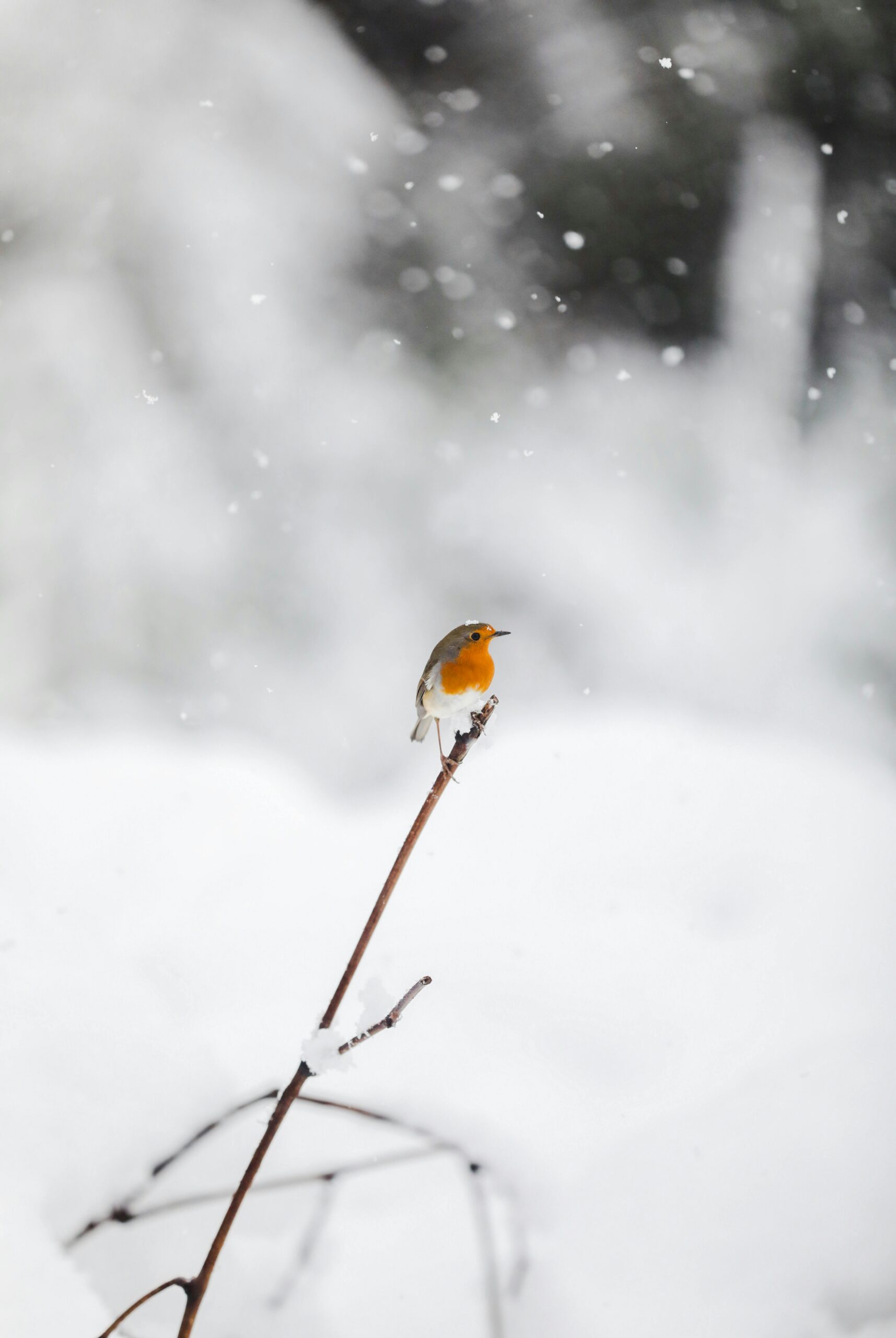
Have you ever watched garden robins hopping about cheerfully on a frosty morning and wondered how on earth do birds cope with the cold?
The answer lies in the way their bodies are able to regulate temperature; birds are warm-blooded, not cold-blooded.
Birds Are Warm-Blooded
All birds are warm-blooded and this means they maintain a stable internal body temperature which is usually around 40-42°C, which is actually warmer than most mammals. Rather than relying on the environment to heat them up, they generate their own heat through metabolism. This constant internal heating allows them to stay active in conditions that would slow down or immobilise cold-blooded animals. It’s also one reason birds need to eat so frequently as keeping that high metabolism fuelled is hard work. Their feathers provide vital insulation too, trapping warm air close to the body, which helps them conserve the heat they produce.
How They Stay Warm
To keep their body temperature steady, birds use a multitude of ways:
-
Feathers: A built-in insulation layer. Fluffing them traps more warm air.
-
High metabolism: Their bodies burn energy rapidly, producing heat constantly.
-
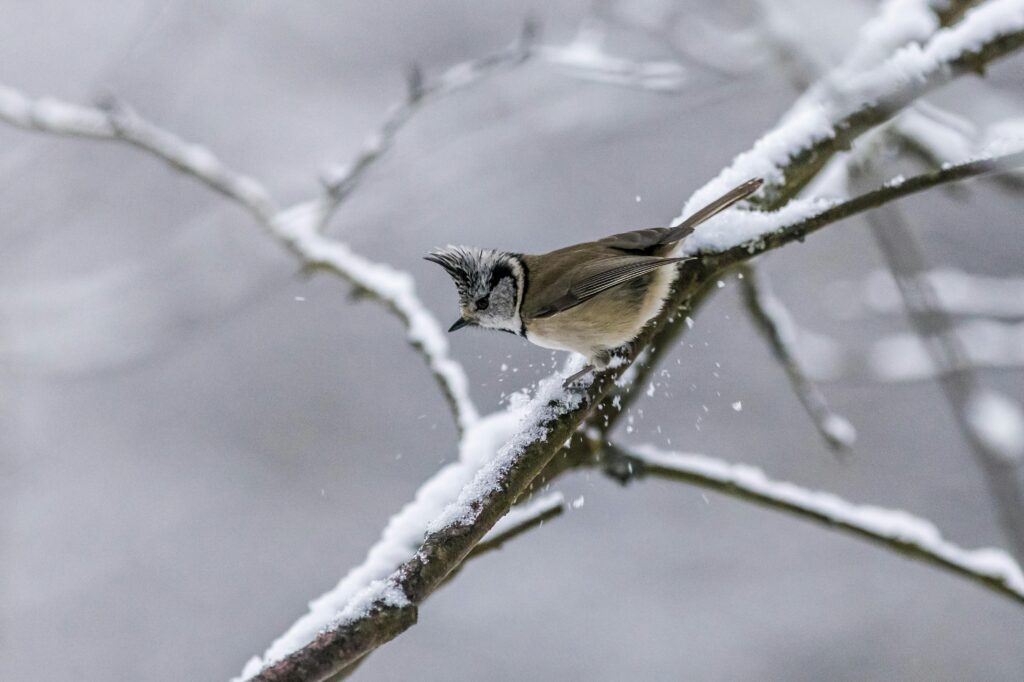
Behavioural tricks: Tucking beaks under wings, standing on one leg, or gathering in sheltered spots.
-
Migration: Some species head south for winter, while hardy UK residents simply adapt.
Why People Get Confused
Many people assume birds might be cold-blooded instead of warm-blooded because:
-
Reptiles are cold-blooded, and birds evolved from reptile ancestors.
-
Birds often survive extreme temperatures that would be tough for mammals.
But despite the ancient family tree, modern birds are firmly warm-blooded.
Why It Matters
Understanding this helps explain why feeding stations and bird baths are so valuable in UK winters. Birds burn an enormous amount of energy just keeping warm, so a reliable food source can make a real difference.
Keep an eye out for our warm-blooded friends trying to stay warm as temperatures stay low in the coming months!